KALC Editors’ Pick
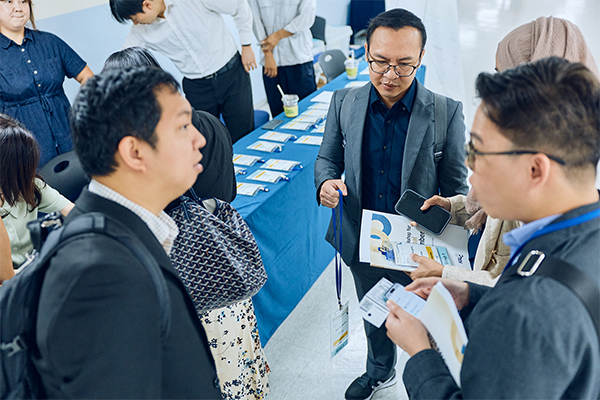
이번 호 KALC Editors’ Pick 에서는 KALC Worksop for international young member 해외참가자인 Pei-Hsing Chen, Thao Nguyen를 인터뷰하였습니다.
Pei-Hsing Chen(Taiwan, National Taiwan University Hospital, Thoracic Surgery)
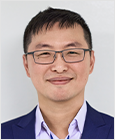 Pei-Hsing Chen (Taiwan, National Taiwan University Hospital, Thoracic Surgery)
- 1. What were your overall impressions of the workshop?
-
Overall, I found the workshop both enjoyable and intellectually stimulating. It provided an excellent opportunity to exchange ideas and build connections with participants from different countries and professional backgrounds.
- 2. Which session or activity did you find most valuable, and why?
-
I particularly valued the session on clinical trial endpoints. Selecting the most appropriate endpoint is essential but often challenging, especially when designing multidisciplinary trials in lung cancer. The discussion helped me think more carefully about how different endpoints can reflect meaningful clinical benefits.
- 3. How relevant were the hands-on activities and case discussions to the challenges you encounter in your own practice?
-
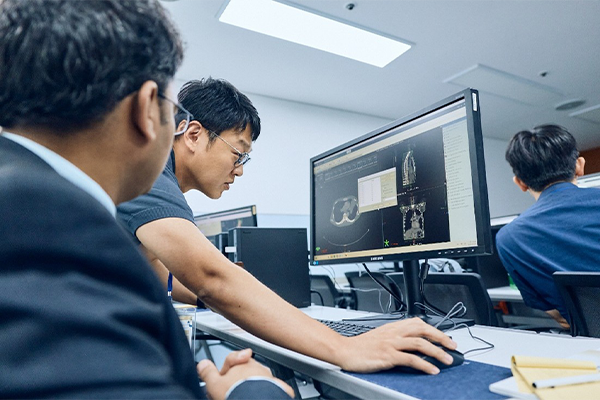
The hands-on activities and case discussions were highly relevant. They allowed participants from different specialties to better understand one another’s clinical perspectives and practical considerations. As a thoracic surgeon, I was especially interested in learning more about the practical aspects of radiation oncology and how radiation oncologists approach treatment planning and decision-making.
- 4. What new perspectives did you gain from the multidisciplinary discussions on lung cancer care?
-
I gained a better understanding of how radiation therapy is considered in different clinical situations, including the assessment of treatment safety, feasibility, and potential risks. These discussions helped me appreciate the factors that radiation oncologists consider when developing a treatment strategy.
- 5. What key lesson or insight would you like to apply to your clinical practice or research?
-
The key lesson for me was the importance of carefully considering the possible clinical scenarios in which different multidisciplinary treatment strategies may be appropriate. I hope to apply this broader perspective to both clinical decision-making and the design of future clinical trials.
- 6. What stood out to you about exchanging ideas with faculty and fellow participants from different countries and specialties?
-
It was particularly valuable to learn how clinical practice differs across countries, institutions, and specialties. These exchanges showed that even when treating the same disease, available resources, institutional experience, and local practice patterns can lead to different but equally thoughtful approaches.
- 7. How could the workshop be improved to better support your learning and participation?
-
One possible improvement would be to allow participants to submit their own challenging cases before the workshop. The organizing committee could then select several cases for multidisciplinary discussion. This would encourage greater participant involvement and ensure that the discussions address real-world clinical challenges.
- 8. What topics or activities would you like future KALC workshops to include?
-
I would be interested in additional sessions on clinical trial design, particularly using cases with more complex or uncertain treatment scenarios. Many of the cases presented this year had relatively straightforward choices, which sometimes limited the depth of discussion. Cases involving genuine clinical equipoise, competing treatment strategies, or controversial situations could stimulate more dynamic discussion and allow participants to explore different trial designs and endpoints.
Thao Nguyen(Vietnam, Hanoi Medical University Hospital, Oncology)
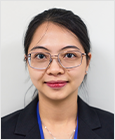 Thao Nguyen (Vietnam, Hanoi Medical University Hospital, Oncology)
- 1. What were your overall impressions of the workshop?
-
Overall, I had a great impression of the workshop. The atmosphere was very warm, welcoming, and collaborative. I particularly appreciated the fresh, engaging topics and the up-to-date clinical insights, especially regarding MDT-driven approaches and treatment simulations. It was both practical and inspiring.
- 2. Which session or activity did you find most valuable, and why?
-
The most valuable session was the multidisciplinary series on 'MDT-Driven Management of Complex Toxicities in the Era of Neoadjuvant Chemoimmunotherapy'. Neoadjuvant chemoimmunotherapy is increasingly common, but managing its complex toxicities remains a significant challenge. Hearing the integrated perspectives from surgery, medical oncology, and radiation oncology provided clear, practical strategies I can directly apply to collaborative decision-making in my daily clinical practice.
- 3. How relevant were the hands-on activities and case discussions to the challenges you encounter in your own practice?
-
They were extremely relevant to what I face day to day. Instead of standard textbook cases, the exercises focused on realistic, gray-zone clinical scenarios. In my practice, coordinating with thoracic surgeons, radiation oncologists, and medical oncologists often comes down to balancing curative intent against tough toxicities. What I appreciated most was gaining a practical framework to make those complex decisions with confidence.
- 4. What new perspectives did you gain from the multidisciplinary discussions on lung cancer care?
-
It really reinforced that guideline-directed therapy isn't one-size-fits-all. Every patient is an individual, and real-world clinical care often demands tailoring beyond standard protocols. Through the MDT discussions, I saw how integrating surgical, medical, and radiation perspectives together allows us to personalize tough decisions—especially for borderline cases where strictly adhering to guidelines might not serve the patient’s best interest.
- 5. What key lesson or insight would you like to apply in your clinical practice or research?
-
I want to apply a more proactive MDT approach to managing toxicities during neoadjuvant chemoimmunotherapy. By discussing potential side effects early with surgery and radiation oncology, we can keep patients on track without delaying their treatment.
- 6. What stood out to you about exchanging ideas with faculty and fellow participants from different countries and specialties?
-
It was eye-opening to see how different specialists and regional centers approach the same clinical scenario. Even when facing similar challenges with toxicities or borderline cases, each discipline brought a distinct angle to the table. Exchanging ideas with faculty and international peers broadened my clinical perspective and showed me new ways to optimize patient outcomes.
- 7. How could the workshop be improved to better support your learning and participation?
-
The workshop was truly wonderful and very practical. To make it even better, sharing the lecture materials and clinical cases with participants a few days in advance would be a big plus. That would give us time to review the details beforehand, making the discussions and Q&A sessions much more active and engaging. In addition, allocating a bit more dedicated time for groups to brainstorm and prepare together before presenting their cases would really enrich the multidisciplinary exchange.
- 8. What topics or activities would you like future KALC workshops to include?
-
For future workshops, I would welcome sessions focused on overcoming acquired resistance to targeted therapies and immunotherapy, particularly concerning emerging biomarkers and antibody-drug conjugates (ADCs). Additionally, dedicated multidisciplinary debates on oligometastatic and borderline resectable disease—specifically regarding the optimal sequencing of local consolidative therapy (surgery or SBRT) with systemic immunotherapy—would be extremely valuable.